11 Best Cities for Young Professionals in 2026 (And What Makes Each One Worth It)
This site contains affiliate links, meaning if you decide to make a purchase via our links, The Postgrad Playbook may earn a commission at no additional cost to you. See our disclaimer for more info.
Your twenties are wild. One minute you’re trying to figure out what day trash pickup is, the next you’re seriously googling “best cities for young professionals” at 2 AM because something inside you knows there’s more out there. Maybe your hometown feels too small, or your current city’s job market isn’t cutting it, or you’re just ready for a change that actually feels like growth.
Here’s the thing: where you live in your twenties shapes everything. Your career trajectory, your friend group, your dating life, even how much money you can save (or how quickly you’ll blow through it). Some cities will challenge and inspire growth, while others might keep you comfortable but stuck in the same patterns.
This guide breaks down the best cities to live in your 20s, what makes them worth the move, and how to figure out which one fits the version of yourself you’re trying to become.
Why Your City Choice Matters More Than You Think
There’s this saying about sharks: in a fish tank, they grow eight inches, but in the ocean, they grow eight feet. The same applies to people. Surrounding yourself with the same routines, conversations, and environments can plateau your growth, no matter how motivated you are.
When you’re considering the best cities to move to in your 20s, you’re not just picking a place to crash. You’re choosing the ecosystem that will either expand or limit who you become. A city with thriving industries opens doors. A place with diverse people challenges assumptions. Somewhere with actual things to do keeps life interesting instead of repetitive.
The best city for young professionals won’t just give you a job—it’ll give you opportunities you didn’t even know to look for. And if you’re still on the fence about whether moving is even worth it, this guide covers the truths no one tells you about making the leap.
What Makes a City Great for Young Professionals?
Not every “cool” city is actually livable when you’re trying to launch a career and build a life. The best places to live in your 20s balance several factors:
Job Market Strength: Cities with diverse industries and growing sectors mean more opportunities, better salaries, and room to pivot if your first career move doesn’t pan out.
Cost of Living: Rent shouldn’t eat 60% of your paycheck. The best cities for young adults offer reasonable housing costs relative to what you can actually earn there.
Social Scene: You need places to meet people—not just bars, but community events, fitness studios, coworking spaces, volunteer groups. Cities where people actually show up and connect.
Quality of Life: Access to nature, walkability, public transit, cultural events, good food. Basically, things that make everyday life feel less like surviving and more like actually living.
Growth Potential: Cities that are expanding create opportunities. Stagnant cities might feel comfortable but won’t push you forward.
Best Cities for Young Professionals: The Top Contenders
Austin, Texas: Where Tech Meets Live Music
Austin consistently ranks as one of the best cities for young professionals, and it’s not hard to see why. The tech scene is booming—companies like Tesla, Oracle, and countless startups have relocated here, creating a massive job market for everything from software engineering to marketing to design.
What makes it special: No state income tax means your paycheck goes further. The city’s famous live music scene means there’s always something happening. Plus, the food scene is unreal (breakfast tacos alone make it worth considering).
The reality check: Austin isn’t the “cheap” secret it used to be. Rent has climbed significantly, especially in desirable neighborhoods like East Austin or South Congress. Traffic can be brutal. Summers are scorching.
Best for: Tech professionals, creatives, people who want outdoor access (lakes, trails, Hill Country) without sacrificing urban amenities.
Denver, Colorado: Outdoor Paradise with Career Options
If the idea of hitting hiking trails after work or skiing on weekends sounds like the dream, Denver delivers as one of the best cities for young professionals. It’s become a major hub for tech, healthcare, finance, and aerospace, while maintaining that laid-back mountain town vibe.
What makes it special: The outdoor lifestyle is unmatched. Over 300 days of sunshine annually. A thriving craft beer scene and food culture that’s actually impressive. People here genuinely prioritize work-life balance.
The reality check: The cost of living has increased dramatically. Rent isn’t cheap, and competition for housing is intense. The “Denver dry” climate takes adjustment. And yes, everyone really is as outdoorsy as Instagram makes it seem.
Best for: Active types, anyone in tech or healthcare, people who want four actual seasons and easy access to mountains.
Seattle, Washington: Tech Giant Central
Seattle’s job market is one of the strongest in the country, anchored by Amazon, Microsoft, and a thriving startup ecosystem. If career growth and high salaries matter to you, Seattle delivers.
What makes it special: High salaries, no state income tax, incredible coffee culture (obviously), stunning natural beauty with mountains and water everywhere. The tech industry here means opportunities for serious career acceleration.
The reality check: The rain is real. Gray skies from October through June can mess with your mood. Cost of living is high—though tech salaries often compensate. The “Seattle Freeze” (locals’ reputation for being friendly but hard to actually befriend) is a legitimate challenge.
Best for: Tech professionals, coffee enthusiasts, people who don’t mind trading sunshine for salary and natural beauty.
Atlanta, Georgia: Southern Growth with Big City Energy
Atlanta offers something rare: major city opportunities with a cost of living that won’t destroy your bank account. It’s a hub for media, entertainment, tech, and logistics, with a growing startup scene making it one of the best cities for young professionals.
What makes it special: Affordable compared to coastal cities. Incredible food scene blending Southern classics with international cuisine. A thriving Black professional community and cultural scene. Year-round mild weather.
The reality check: You’ll need a car—public transit isn’t comprehensive. Traffic can rival LA’s worst days. Summers are humid in a way that Northern transplants struggle with initially.
Best for: Professionals in media, tech, or business looking for affordability without sacrificing career opportunities. Great for building wealth while living well.
Boston, Massachusetts: Education and Innovation Hub
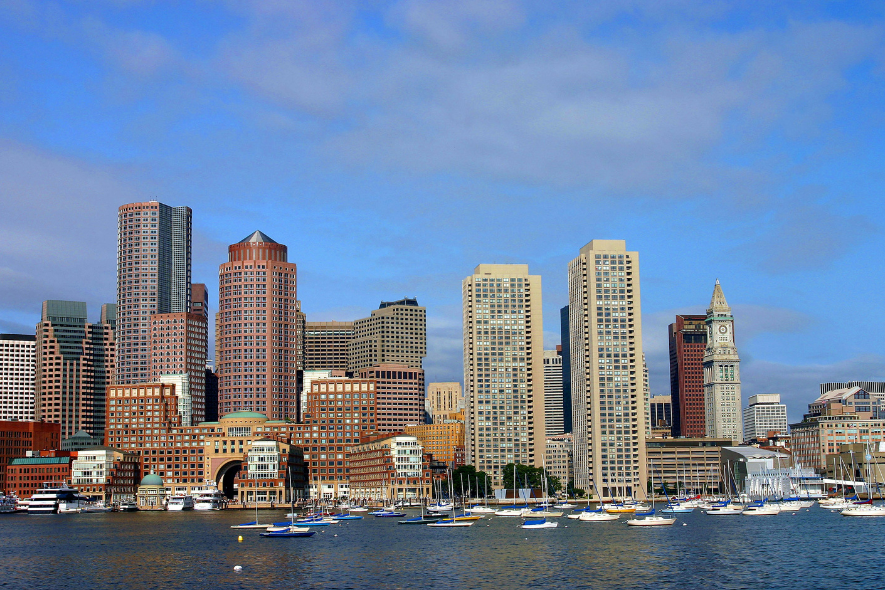
Boston’s economy is anchored by world-class universities, healthcare institutions, and a booming biotech sector. If you’re in healthcare, education, finance, or life sciences, Boston is one of the best cities for young adults to build serious credentials.
What makes it special: Intellectual energy everywhere. History, culture, and actual seasons. Walkable neighborhoods with personality. The concentration of young professionals means easy friend-making.
The reality check: Expensive. Winter is long and brutal. The city can feel small compared to New York or LA. Bostonians have a reputation for being… direct.
Best for: People in healthcare, biotech, education, or finance. History buffs. Anyone who wants East Coast culture without NYC’s intensity.
Washington D.C.: Policy, Power, and Diversity
D.C. offers unique opportunities in government, policy, nonprofits, and tech. It’s also incredibly diverse, with young professionals from everywhere converging for career opportunities.
What makes it special: Strong job market across multiple sectors. Free world-class museums. International food scene. Metro system actually works. High concentration of educated, ambitious people.
The reality check: Cost of living is steep. The city can feel transient—people come for a few years then leave. Conversations often revolve around work and politics.
Best for: Policy wonks, nonprofit professionals, anyone in consulting or government contracting. People who want diversity and culture with East Coast sophistication.
Minneapolis, Minnesota: Underrated Midwest Gem
Minneapolis consistently ranks high for quality of life, job opportunities, and affordability. It’s home to major corporations like Target, Best Buy, and 3M, plus a growing startup scene.
What makes it special: Strong job market with good salaries. Vibrant arts and theater scene. Lakes everywhere (over 20 within city limits). People are genuinely friendly. Affordable cost of living for a major city.
The reality check: Winters are absolutely brutal. Like, “question your life choices in January” brutal. The city can feel isolated from other major metros.
Best for: Young professionals seeking Midwest values with big city amenities. Great for saving money while building a career.
Nashville, Tennessee: Southern Charm Meets Boom Town
Nashville isn’t just for country music fans anymore. The city’s exploded with growth in healthcare, music industry, tech, and hospitality, creating diverse opportunities.
What makes it special: No state income tax. Live music every single night. Southern hospitality is real. Lower cost of living than coastal cities. The food scene is outstanding.
The reality check: Growing pains are real—traffic, rising rents, and overcrowding in popular neighborhoods. The “it city” status means it’s getting discovered fast.
Best for: Music industry professionals, healthcare workers, people who want fun cities to live in your 20s without breaking the bank.
Charlotte, North Carolina: Banking Hub with Southern Flavor
Charlotte’s banking and finance sector (second only to New York) creates serious career opportunities, while maintaining Southern charm and affordability.
What makes it special: Strong job market, affordable housing, mild weather, growing food and arts scene. Easy access to both mountains and beaches.
The reality check: Public transit is limited. The city can feel corporate-dominated. Not as much cultural diversity as larger metros.
Best for: Finance professionals, anyone seeking career growth with a lower cost of living than major East Coast cities.
Cambridge, Massachusetts: Boston’s Brainy Neighbor
Technically separate from Boston but functionally connected, Cambridge centers around Harvard and MIT, creating an intellectual and innovative atmosphere.
What makes it special: Concentration of brilliant minds, cutting-edge research, world-class restaurants, and a startup ecosystem powered by university talent. High salaries in tech and biotech.
The reality check: Even more expensive than Boston. Can feel insular and academic. Limited nightlife compared to Boston proper.
Best for: Tech and biotech professionals, academics, researchers, anyone who thrives in intellectually charged environments.
San Jose, California: Silicon Valley’s Heart
For pure tech career opportunities and salary potential, San Jose and the broader Silicon Valley region remain unmatched.
What makes it special: Highest salaries for tech professionals in the country. Incredible weather year-round. Access to San Francisco, beaches, and mountains. The innovation ecosystem is unparalleled.
The reality check: Eye-wateringly expensive. A studio apartment can easily cost $2,500+. Traffic is terrible. The area can feel culturally sterile compared to SF or LA.
Best for: Tech professionals willing to trade lifestyle costs for career acceleration and peak earning potential.
What City is Gen Z Moving To?
Gen Z is flooding into Austin, Nashville, and Charlotte—cities offering job opportunities without the crushing cost of living that defines LA or New York. According to recent migration data, Gen Z prioritizes affordability, social scenes, and remote work flexibility, driving them toward Sun Belt cities with lower taxes and higher quality of life.
Denver and Atlanta also rank high for Gen Z, offering outdoor recreation, diverse job markets, and communities of other young professionals navigating the same life stage.
What is the Best State to Live in Your 20s?
Texas, Colorado, and North Carolina consistently rank as the best states for young professionals. Texas offers no state income tax, multiple booming metros (Austin, Dallas, Houston), and affordable living. Colorado provides outdoor lifestyle with strong urban centers. North Carolina balances affordability with growth in Charlotte and the Research Triangle.
Massachusetts and Washington also rank highly for career opportunities and salary potential, though at higher living costs.
How to Choose Your City: Questions to Ask Yourself
What industry are you in? Some cities dominate specific sectors. Tech? Seattle, San Jose, Austin. Healthcare? Boston, Nashville. Finance? Charlotte, New York.
What’s your budget reality? Be honest about what you can afford. High salaries don’t mean much if rent consumes most of your paycheck.
What lifestyle matters to you? Outdoor access? Live music? Museums? Food scene? Cultural diversity? Different cities excel at different things.
How important is climate? Don’t underestimate how weather affects your mental health. Seasonal depression is real. So is sweating through every summer shirt you own.
Where are you in your career? Early career might prioritize job opportunities over everything else. Mid-twenties with some savings might value quality of life more.
Best Cities for Young Professionals: The Truth About Moving in Your Twenties
Here’s what nobody mentions: moving to a new city will be harder than expected and more rewarding than imagined. The logistics alone—finding housing, building credit in a new state, learning which neighborhoods are actually safe—can feel overwhelming.
Building community takes real effort. Meeting people requires showing up to events when you’d rather stay home. Dating in a new city means starting from scratch. There will be moments of loneliness and doubt.
But here’s the other truth: staying somewhere that doesn’t challenge or inspire you is riskier than taking the leap. The “what ifs” never disappear until you act. Fear of failure fades faster than regret.
Your environment shapes your growth. A new city forces adaptation, expands your network, and challenges assumptions you didn’t know you had. The discomfort is temporary. The growth is permanent.
And if the city doesn’t work out? You can always move back. But you’ll return different—more confident, more independent, more aware of who you actually are. The experience reshapes how you see everything, including where you came from.
Making It Happen: Practical Next Steps
Research thoroughly: Visit the best cities for young professionals before committing. Spend a long weekend exploring neighborhoods, checking out workspaces, and getting a feel for the vibe.
Build a financial cushion: Save at least three months of expenses before moving. Factor in first month’s rent, security deposit, moving costs, furniture, and unexpected expenses.
Leverage your network: Reach out to people already living in your target city. LinkedIn, college alumni networks, and even Reddit city subreddits can connect you with locals who’ll give honest insights.
Start the job search early: Secure employment before moving if possible. Remote positions with eventual relocation options can bridge the gap.
Find cheap ways to move: Sell or donate what doesn’t fit in your car. Ship essentials instead of furniture. Look for sublets or short-term rentals before committing to a year-long lease.
Accept the adjustment period: Give yourself at least six months to settle in. The first few months always feel weird. That’s normal.
Your Twenties Are for Trying
The best cities for young professionals aren’t just about career ladders and salary bumps. They’re about becoming the version of yourself that only emerges when you’re brave enough to start over.
Location isn’t everything, but it’s something powerful. It’s the difference between growing eight inches in a fish tank or eight feet in the ocean.
So if you’ve been googling “best cities to move to in your 20s” at odd hours, if you’ve been feeling restless or stuck, if you keep daydreaming about somewhere else—that’s intuition talking. Listen to it.
The hardest part isn’t the move itself. It’s believing you deserve the life waiting for you somewhere new. But here’s the secret: you do.
The city that challenges, inspires, and occasionally frustrates you? That’s where growth happens. That’s where you’ll look back years from now and realize everything changed because you were brave enough to try.
Pick a city. Make a plan. Go build something worth remembering.