The Best Books for College Graduates: 11 Reads for Your Next Chapter
This site contains affiliate links, meaning if you decide to make a purchase via our links, The Postgrad Playbook may earn a commission at no additional cost to you. See our disclaimer for more info.
Shopping for a college grad? Or maybe you just graduated yourself and you’re trying to figure out what comes next? Either way, books are one of those gifts that keeps giving long after graduation day.
The best books for college graduates are the ones that meet people right where they are. They’re about figuring out careers, managing money for the first time, navigating friendships that are changing, and honestly just trying to figure out who you are outside of being “a student.”
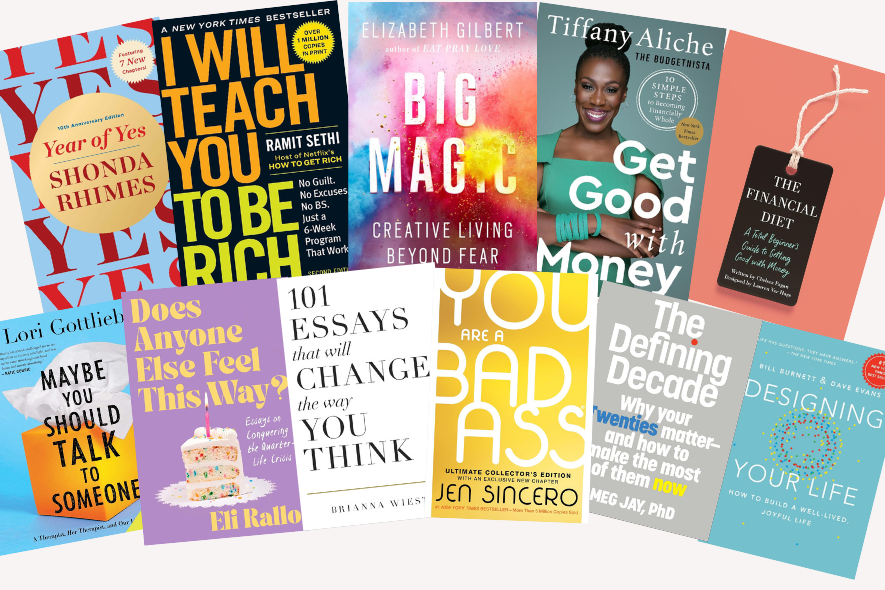
We’ve pulled together 11 books that work whether you’re shopping for college graduation gifts from parents or picking something up for yourself. These aren’t your typical self-help books that feel preachy or out of touch. These are the books that feel like a conversation with someone who’s actually been there.
Looking for more grad gift ideas? Check out our guide to the 27 best college graduation gifts for her for everything from career essentials to apartment must-haves.
Each book on this list tackles a different piece of the post-grad puzzle: career direction, financial literacy, mental health, creativity, confidence, and general “how do I adult?” wisdom. Let’s get into it.
WHY BOOKS MAKE SOLID GRADUATION GIFTS
Before we dive into the list, here’s why books work well as college graduation gifts from parents or for yourself.
Books are personal. They say “here’s something that might actually help with what’s ahead.” Unlike a gift card or generic present, a book shows someone put actual thought into it. Plus, you can come back to it whenever you need a reminder or reality check.
The books on this list aren’t just theory. They’re practical, honest, and written by people who’ve been in similar situations. Some will help with career stuff. Some will teach you how to stop being broke. And some will just make you feel less alone in the “what am I doing?” spiral.
Alright, let’s get to it.
THE BEST BOOKS FOR COLLEGE GRADUATES
Designing Your Life: How to Build a Well-Lived, Joyful Life
By Bill Burnett & Dave Evans
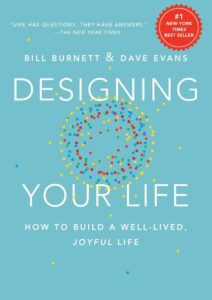
This book is basically a roadmap for anyone feeling stuck or overwhelmed by all the options ahead. Written by two Stanford professors, it uses design thinking principles to help figure out what comes next (instead of just spiraling about it).
The big idea? There’s no single “right” path. The book walks through designing multiple possible versions of life and testing them out. It’s practical and way less stressful than the “pick one thing forever” approach.
Why we love it: It turns “no idea what to do” into “let’s try some stuff and see what happens.”
Best for: Anyone overwhelmed by options or stuck between multiple paths.
The Defining Decade: Why Your Twenties Matter (and How to Make the Most of Them Now)
By Meg Jay
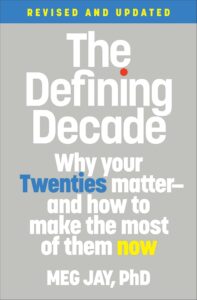
If there’s one book every twentysomething should read, it’s probably this one. Clinical psychologist Meg Jay makes the case that twenties aren’t just for “figuring it out later.” They’re actually pretty important for setting up the life you want.
It covers everything: career, relationships, brain development, finances. And it does it without being preachy or doom-and-gloom. It’s more like a reality check from someone who wants people to succeed.
Why we love it: It makes twenties feel important without making anyone feel like they’re already behind.
Best for: Anyone in their twenties who needs a nudge to stop waiting for life to happen.
I Will Teach You To Be Rich
By Ramit Sethi
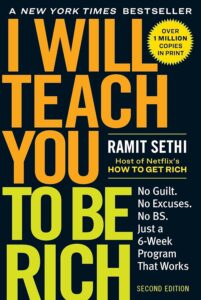
Okay, money stuff. This is hands-down one of the better personal finance books for new grads, and it’s actually readable (which is rare). Ramit Sethi breaks down everything: how to set up bank accounts, automate savings, invest, pay off debt, and spend guilt-free on things people love.
The tone is casual, no-BS, and doesn’t shame anyone for wanting to enjoy their money. It’s practical advice that can actually be implemented.
Why we love it: It makes managing money feel doable instead of terrifying. Plus it’s not boring.
Best for: Anyone who’s never had to manage money before and needs a step-by-step plan.
The Financial Diet: A Total Beginner’s Guide to Getting Good with Money
By Chelsea Fagan
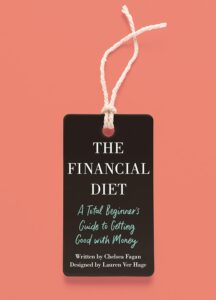
If “I Will Teach You To Be Rich” feels too intense, start here. The Financial Diet covers budgeting, saving, investing, career negotiation, and even how to furnish an apartment on a budget.
The vibe is like getting advice from someone slightly older who’s been there. It’s approachable, realistic, and doesn’t assume money is already figured out.
Why we love it: It’s money advice that actually fits a new grad’s reality. No judgment, just help.
Best for: Anyone starting from zero with finances and needs basics explained clearly.
Get Good with Money: Ten Simple Steps to Becoming Financially Whole
By Tiffany Aliche (The Budgetnista)
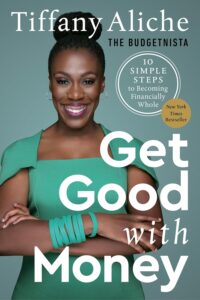
Tiffany Aliche breaks down money management into ten clear, achievable steps. This book is good for anyone who feels overwhelmed by all the financial advice out there and just needs someone to tell them exactly what to do first, second, third.
It covers budgeting, saving, credit scores, investing, insurance, and retirement. Basically, all the stuff they didn’t teach in school.
Why we love it: Clear, actionable steps. No fluff, no confusion.
Best for: Anyone who wants a straightforward financial roadmap without all the jargon.
Maybe You Should Talk to Someone
By Lori Gottlieb
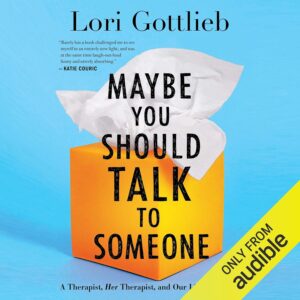
This memoir by a therapist who goes to therapy herself is one of the more honest books about mental health and being human. It’s funny, kind of sad, and weirdly comforting.
Post-grad life can be lonely and confusing, and this book reminds people that everyone is dealing with something. It’s also a decent intro to therapy for anyone who’s been thinking about it but isn’t sure.
Why we love it: It normalizes therapy and makes people feel less alone in whatever they’re going through.
Best for: Anyone navigating a tough transition, feeling lost, or just curious about therapy.
Big Magic: Creative Living Beyond Fear
By Elizabeth Gilbert
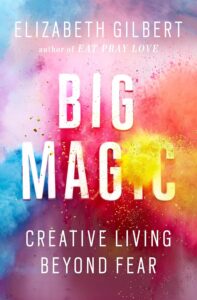
If someone’s creative (or wants to be), this book might be worth the time. Elizabeth Gilbert (author of Eat Pray Love) writes about how to live a creative life without letting fear shut it down. It’s not just for artists. This is for anyone who wants to approach life with more curiosity and less fear.
It’s the book that makes trying things, failing, and trying again feel more normal.
Why we love it: It gives permission to be creative, imperfect, and brave.
Best for: Anyone in a creative field, or anyone who’s afraid to take risks and try new things.
You Are a Badass: How to Stop Doubting Your Greatness and Start Living an Awesome Life
By Jen Sincero
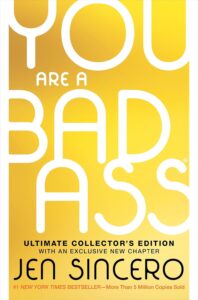
This book is pure hype-up energy. Jen Sincero is basically that friend who tells people “you’re capable of more than you think.” It’s about getting out of your own way, changing mindset, and actually going after what you want.
It’s motivational without being too cheesy, and it has practical exercises to help shift thinking.
Why we love it: It’s a solid confidence boost when impostor syndrome hits.
Best for: Anyone dealing with self-doubt or feeling stuck in their own head.
Year of Yes
By Shonda Rhimes
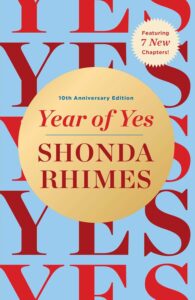
Shonda Rhimes (creator of Grey’s Anatomy, Scandal, etc.) spent a year saying yes to everything that scared her. This memoir is about pushing past fear, getting uncomfortable, and realizing what people are actually capable of.
It’s funny, inspiring, and a reminder that growth usually happens outside comfort zones.
Why we love it: It might inspire people to take chances and say yes to scary opportunities.
Best for: Anyone who’s playing it safe and needs a nudge to take more risks.
101 Essays That Will Change the Way You Think
By Brianna Wiest
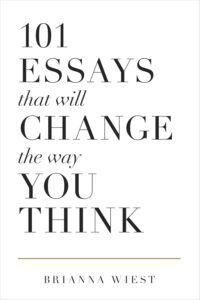
This is the book for deep thinkers. It’s a collection of essays on self-awareness, emotional intelligence, relationships, purpose, and personal growth. Each essay is short but heavy, the kind of thing people will want to underline and come back to.
It’s good for anyone trying to figure out who they are and what they actually want from life.
Why we love it: Every essay hits different depending on where someone is. It’s one people will keep coming back to.
Best for: Anyone introspective who loves journaling, thinking deeply, and personal growth stuff.
Does Anyone Else Feel This Way? Relatable Questions for Our Twenties
By Eli Rallo
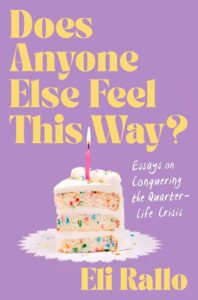
This book is kind of like a warm hug. It’s a collection of real, vulnerable questions twentysomethings ask themselves: “Am I behind?” “Why do I feel so lonely?” “Is this what adult life is supposed to feel like?”
This isn’t preachy or advice-heavy. It’s just honest and relatable. Good for anyone who feels like they’re the only one struggling (they’re not).
Why we love it: It makes people feel seen and less alone in the messy parts of being a young adult.
Best for: Anyone feeling isolated, overwhelmed, or just needing to know they’re not the only one feeling this way.
Link: https://amzn.to/46kzRnJ
HOW TO GIVE BOOKS AS GIFTS
Here’s the thing about giving books as graduation gifts for adults: presentation helps. Don’t just hand someone a book. Make it a little personal.
A few ideas:
- Write a note inside the front cover explaining why this specific book seemed like a good fit
- Pair it with a bookmark or a journal
- Give a “book starter pack” with 2-3 books that cover different areas (career + money, or mindset + mental health)
- Create a little care package: a book + a cozy blanket + some good snacks
The goal is to make it feel thoughtful, not like something grabbed off a shelf last minute.
LOOKING FOR MORE GRADUATION GIFT IDEAS?
Books are solid, but they’re even better when paired with practical gifts people will actually use. Check out our guide to the 27 best college graduation gifts for her for everything from career essentials to first-apartment must-haves.
WRAPPING UP
The best books for college graduates are the ones that help people feel less alone, more capable, and maybe a little clearer about what’s ahead. Whether it’s figuring out career stuff, learning to manage money, working on mental health, or just trying to navigate being a young adult, there’s probably a book on this list that’ll help.
And that’s what decent graduation gifts from parents (or anyone) should do. They should say “here’s something that might actually help with what’s ahead.”